
If you’ve ever sat down in a barber’s chair and blanked on what to ask for, you’re not alone. The world of men’s fade haircuts can feel overwhelming — especially when every style sounds similar. Understanding the low fade vs mid fade vs high fade difference is the key to walking out with exactly the look you want.
Each fade starts at a different point on the head, and that one detail changes everything — the contrast, the vibe, the maintenance, and how well it suits your lifestyle. The low fade vs mid fade vs high fade debate is one barbers get asked about constantly, and for good reason. Let’s break it all down so you can make a confident call next time you’re in the chair.
Related Post: Mod Cut: 20+ Trendy Hairstyle Ideas For Modern Men | 2026
What Is A Low Fade?
A low fade is a men’s fade haircut where the blending starts just above the ear and gradually tapers down toward the neckline. When you’re weighing the low fade vs mid fade vs high fade options, this is the one that sits closest to the hairline — and that subtlety is its biggest strength. It’s one of the most subtle options available, making it a go-to for guys who want a clean-cut men’s hairstyle without anything too dramatic. The contrast between the longer top and shorter sides is soft, which gives it a polished and professional tone.
Because the fade sits low on the head, it doesn’t demand a lot of upkeep between barbershop visits. It’s a smart pick for anyone working in a business professional setting or simply someone who prefers a classic look with a touch of modern edge. The low taper fade, in particular, has become a staple in offices and boardrooms because it looks sharp without screaming “I spent two hours on this.”
Defining Characteristics of A Low Fade
- Where it starts: Just above the ear, close to the hairline
- Contrast level: Subtle and understated — a soft gradient rather than a sharp drop
- Best for: Business professionals, conservative styles, and low-maintenance grooming
- Top styles it pairs with: Side part, comb over, short crop, or even a man bun
- Maintenance: Relatively easy — touch-ups every few weeks keep it looking sharp
- Customization options: Drop low fade, temp low fade, or burst low fade for added personality
What Is A Mid Fade?
The mid fade is where balance meets boldness. This cut starts around the temples — roughly halfway between the ear and the top of the head — and blends downward with a noticeably stronger taper. It sits right in the sweet spot between the subtlety of a low fade and the drama of a high cut, which is why it’s one of the most popular modern men’s haircuts today.
It works equally well in a professional environment and a casual setting, making it incredibly versatile. Whether you pair it with a textured crop, a mid fade with comb over, or a slicked-back style, the result is always clean and confident. In fact, many barbers consider it the most universally flattering fade because it enhances facial features without overpowering them. The mid taper fade hits a sweet spot that very few other styles can match.
Defining Characteristics of A Mid Fade
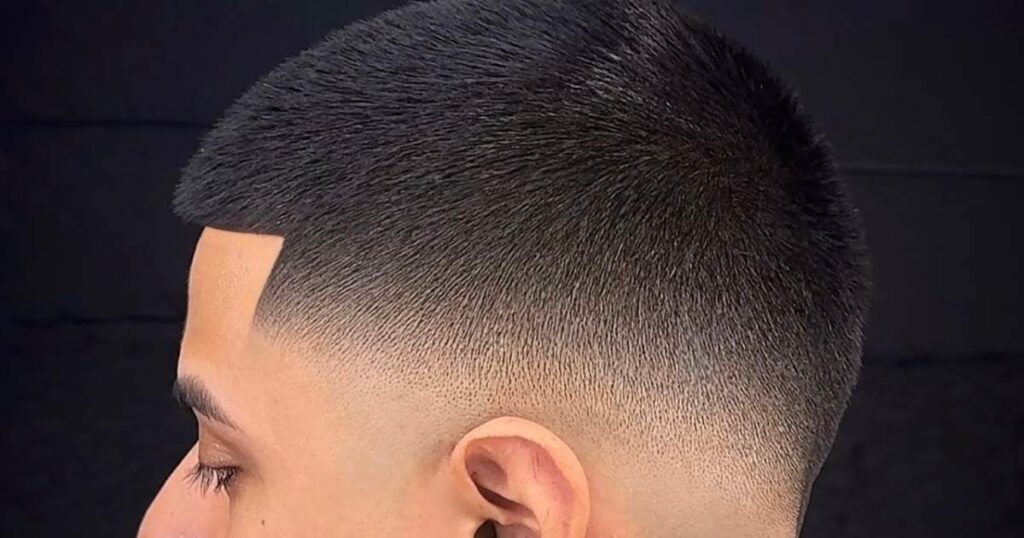
- Where it starts: At the temples, approximately halfway up the sides of the head
- Contrast level: Moderate to strong — noticeable without being extreme
- Best for: Men who want versatility across professional and casual settings
- Top styles it pairs with: Comb over, quiff, textured fringe, buzz cut
- Maintenance: Moderate — regular barber visits every 2–3 weeks recommended
- Customization options: Drop mid fade, temp fade, or burst mid fade for added style
What Is A High Fade?
The high fade is the boldest of the three. It starts near the top of the sides — close to the temples and sometimes even higher — and transitions aggressively down to the skin. The result is a striking contrast that puts the longer hair on top front and center. If you’ve seen someone rocking a sharp fade haircut that practically demands a second glance, it was probably a high fade.
This style suits men who like to make a statement. It pairs brilliantly with textured crew cuts, mohawks, pompadours, and afros, adding sharp definition to any trendy men’s haircut. The high taper fade, specifically, creates an almost architectural look where the sides are almost completely skin-shaved, making the top look fuller and more dramatic by comparison. It’s the type of cut that doesn’t just complement your style — it becomes your style.
Defining Characteristics of A High Fade
- Where it starts: High on the sides, near or above the temples
- Contrast level: High and dramatic — skin exposure is prominent
- Best for: Trendy, bold, or fashion-forward men who want a standout look
- Top styles it pairs with: Mohawk, pompadour, quiff, afro, textured crop
- Maintenance: High — the skin-fade portion grows out quickly and needs frequent touch-ups
- Customization options: High skin fade, burst high fade, drop high fade, or temp fade variation
Low Fade vs Mid Fade vs High Fade
So what actually separates these three styles? At its core, the low fade vs mid fade vs high fade difference is all about where the blending begins and how aggressively the hair transitions to the skin. A low fade hugs the bottom of the head for a subtle, classic finish. A mid fade kicks in at the temples for a balanced, versatile look. And a high fade starts close to the top, creating maximum contrast for a modern and daring result.
The right choice depends on your lifestyle, face shape, and how much upkeep you’re willing to commit to. Think of the low fade vs mid fade vs high fade choice as a spectrum — from understated to dramatic — and your ideal spot on that spectrum is entirely personal. Here’s a quick breakdown to help you decide:
| Feature | Low Fade | Mid Fade | High Fade |
| Start Point | Just above the ear | Mid-temple area | Near the top of the sides |
| Contrast | Subtle | Moderate | Dramatic |
| Best Setting | Professional / formal | Professional + casual | Casual / fashion-forward |
| Maintenance Level | Low | Medium | High |
| Ideal For | Conservative styles | Versatile everyday looks | Bold, trendy statements |
From a styling perspective, the low fade for office jobs makes the most sense for corporate environments, while high fades shine in creative or casual spaces. That said, any of the three can work in most settings — it really comes down to personal taste.
Different Types of Fade Haircuts
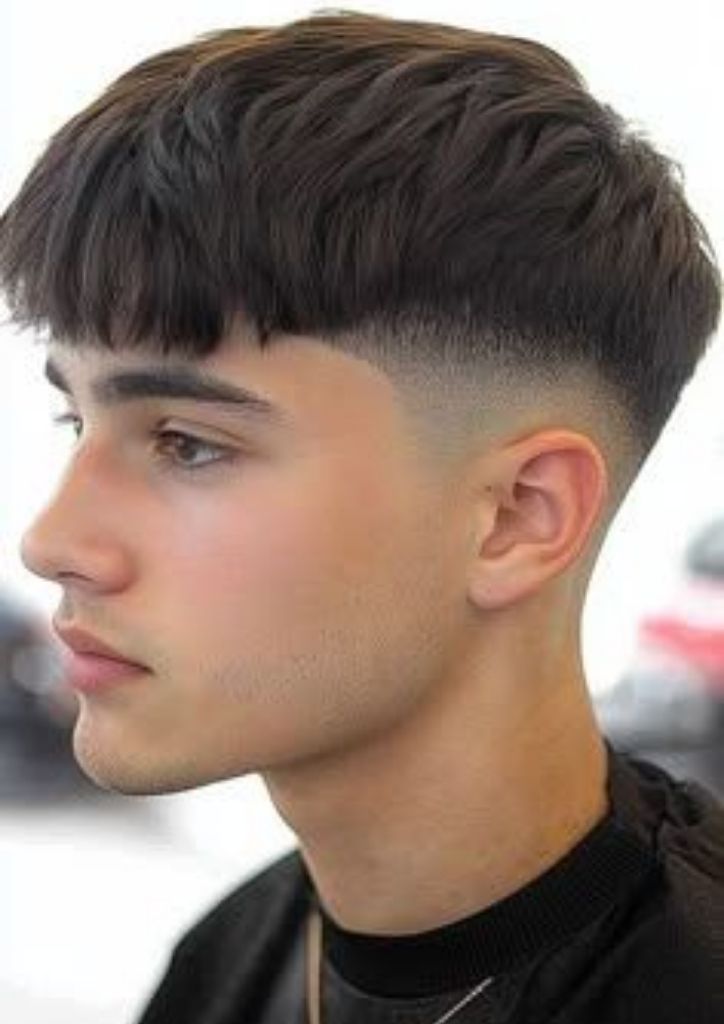
Beyond the three main fade heights, barbers have developed several distinct variations that change the shape and personality of the cut. Whether you’re working with a low fade vs mid fade vs high fade base, these styles can be applied at any height — making them powerful customization tools.
- Skin Fade: The hair gradually blends all the way down to bare skin. It’s the cleanest, sharpest version of any fade and works at all three heights.
- Drop Fade: Instead of following a straight horizontal line, this fade curves downward at the back of the head. It gives a unique, stylish arc that adds dimension to the cut.
- Burst Fade: This one fans out in a semi-circle around the ear, making it ideal for mullets and mohawks. It adds a dynamic, modern energy to the sides.
- Temp Fade: Short for temple fade, this style focuses the tapering at the temples and front hairline. It’s sleek, precise, and great for keeping the front edges sharp.
- Undercut Fade: This combines a disconnected undercut with a faded transition. The longer hair on top sits in sharp contrast to the skin-faded sides, creating a bold two-tone effect.
Conclusion
Choosing between a low fade vs mid fade vs high fade doesn’t have to be complicated. The low fade keeps things subtle and professional, the mid fade strikes a perfect balance between style and restraint, and the high fade goes bold with maximum contrast and drama. Each one brings something distinct to the table, and all three can be customized further with drop, burst, temp, or skin fade variations.
The best cut is the one that matches your personality, suits your face shape, and fits your grooming routine. Next time you’re at the barbershop, you’ll know exactly what to ask for — and your barber will appreciate the clarity just as much as you’ll love the result.

Ben Fraser is an fashion writer and digital outreach specialist with over seven years of experience in content marketing. Passionate about fashion guest posting, SEO, and brand growth, he helps global fashion brands build authority through quality backlinks and trend-driven content strategies.